

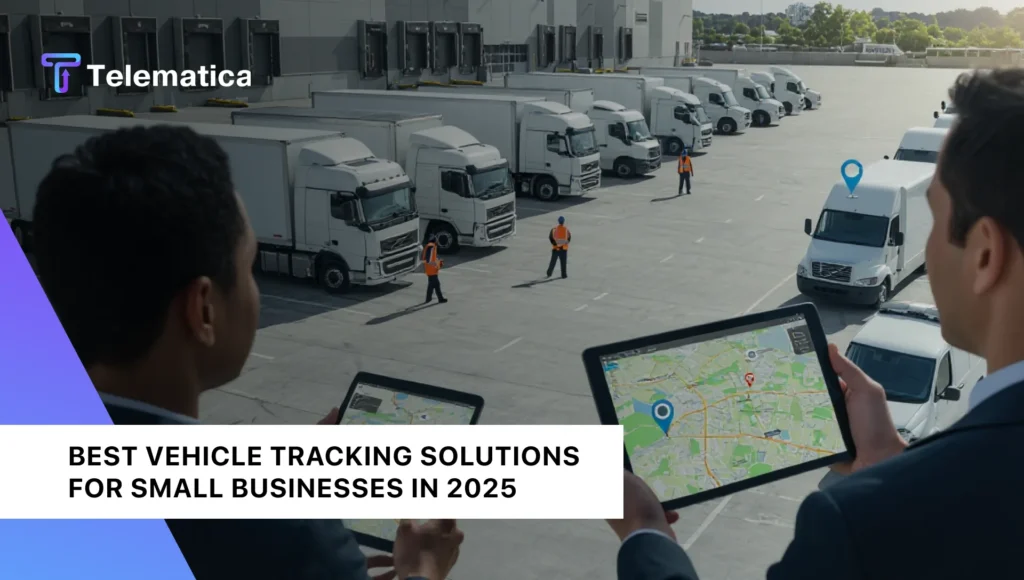
Vehicle tracking for small businesses cuts fuel waste, trims overtime leakage, and sharpens route timing from day one. Small company fleets and any truck fleet win when managers see every gps vehicle on a live map and send the closest driver with one tap. Accurate ETAs lift customer service because jobs run on time and updates land before customers ask. Driver performance tracking reduces harsh events, comp claims, and downtime while building a safety-first culture and stronger accountability. Plug-and-play gps trackers and mini gps devices install in minutes and start streaming location, speed, and engine data to your phone through clean tracking apps and a secure website. Good fleet management software stores trip history, idle time, and maintenance logs on a reliable cloud server, which helps with audits and tax records. A real-time tracker for fleet work improves accuracy and oversight across shifts. For background on measurement, see our breakdown of GPS vehicle tracking accuracy. Small fleet tracking solutions scale from two utes to fifty vehicles without ripping out devices or retraining crews.
Why should you track commercial vehicles in your small fleet?

A tight small fleet must work smarter than larger competitors. GPS tracking gives you that edge with clear location data, simple tools, and fast wins you can measure. You see trips as they unfold, you coach drivers with facts, and you recover waste that hides in idle minutes and detours. You protect assets after hours and you answer asked questions from customers with confidence because your timeline sits in one screen.
Real-time GPS fleet tracking boosts efficiency
Live location beats guesswork. Dispatchers view a clean map, select the nearest vehicle, and send the job without a phone chase. A real-time tracker for fleet operations shows fleet movements second by second. Alerts flag traffic slowdowns so you flip routes before delays spread across the day. Time on site, start and stop times, and route history create proof-of-service for each job ticket and a full route history fleet archive. If you want fundamentals, our short primer on fleet tracking technology basics helps teams set expectations. Crews stop double-backing because drivers follow optimized routes and avoid dead miles. Managers compare planned versus actual routes to refine schedules for the next shift.
How gps tracking saves money and reduces fuel waste
Fuel burns fastest when engines idle and drivers speed. You cut both with simple rules and reports. Set idle limits, review exceptions, and coach drivers using weekly snapshots that show trends rather than one-off events. Use geofences around depots and customer sites to limit detours and personal trips during work hours. Pair fuel card data with gps tracking to spot mismatch patterns that may signal card misuse. Add compliance tracking for speed, seat belt, and after-hours movement to lock in accountability. Over one quarter, these optimization habits stack real savings that you can reinvest in maintenance or new tools. To squeeze more value from every kilometer, review our route optimization guide.
Driver performance tracking improves driver safety and service
Safe drivers protect people and brand reputation. Driver scorecards highlight speeding, harsh braking, cornering, and rapid acceleration so you coach the right skill at the right time. Key features alerts such as speeding alerts and braking alerts fire in real time to stop risky habits before they cost you. Short coaching sessions with trip replays turn a tense conversation into a shared review of facts. You recognize top performers, which lifts morale and sets a standard for new hires. Customers notice smoother arrivals and consistent ETAs, which leads to better reviews and repeat work. Insurers value documented safety programs, which can reduce comp claims and support lower premiums or better terms. For deeper capability, our driver behavior monitoring service links safety scores with coaching plans.
Our services at Telematica for small fleets
Our services at Telematica help small fleets get control fast with GPS fleet tracking that shows live location, trip history, and engine data in one screen. Pair that with our AI fleet dashcams to capture context, protect drivers, and resolve disputes with clear video. Add driver behavior monitoring to score events and guide short coaching that sticks. We tailor installs for light vehicles and trucks so crews start with confidence, not confusion. When you want to see how the workflow feels on your routes, book a demo.
Big benefits, huge savings, and real rewards for small business fleets

Small fleets move fast and carry many roles per person. Fleet tracking software removes friction in dispatch, billing, and reporting so the team focuses on service. The right gps tracking system pays back through fewer calls, tighter schedules, and fewer customer disputes. Telematica supports Australian businesses with gps services, gps trackers, dashcams, and a clean app that teams adopt without fuss. Our expertise covers telematics integration for mixed assets and simple installation plans that suit busy crews. If you want a light rollout that fits a two to ten vehicle fleet, ask for a quick walk-through and see it in action. See our core GPS fleet tracking platform for capabilities and plan options.
Smarter dispatch with live gps vehicle location
When you see every vehicle, you make better decisions. The nearest-driver view reduces travel time and slashes fuel burn. Jobs slide into drivers’ mobile apps with clear notes, photo tasks, and customer details if you enable work order integrations. LTE tracking device options with strong antenna design hold signal in fringe areas so the map stays current. When customers call for updates, staff answer with precise ETAs rather than ranges. After hours, you check vehicle locations at a glance, which protects assets and proves compliance with take-home policies. For linehaul and delivery work, our trucking solutions support heavy vehicles and mixed assets.
Reduce idle time and maintenance costs with tracking software
Idling tanks fuel economy, adds engine hours, and shortens service intervals. Set an idle alert that triggers after a few minutes, then follow up with drivers who show a pattern across multiple days. Use engine hour data to schedule oil changes based on use rather than a static calendar. Route history reveals stop-and-go stretches where drivers sit in queues, so you adjust time windows or job order to avoid peak congestion. Over time, vehicles spend more hours earning and fewer hours idling or in the workshop.
Improved customer service through accurate ETAs and visibility
Customers value clear communication more than promises. Share live tracking links for critical deliveries or high-value service visits when appropriate. Build service level reports that show on-time arrival rates by crew or route, then coach teams that fall behind the benchmark. Use proof-of-arrival and proof-of-service records to reduce disputes and speed up invoicing. Track average job duration and first-time fix rates to plan staffing more accurately during seasonal peaks. With fewer surprises, your customer service team fields shorter calls and logs more positive feedback.
GPS vehicle tracking for businesses: key features small fleets need
You do not need enterprise complexity to get enterprise results. Focus on a few key features that solve daily pain, then add depth when the team feels comfortable. The right set covers location, safety, maintenance, and reporting without long training. Telematica builds small fleet tracking solutions with this balance in mind so you get fast adoption and clear ROI. Our gps fleet tracking devices and software work together so each gps tracking device reports clean data you can trust.
Must-have tracking device features for ease and reliability
Choose gps trackers that install fast and stay connected. A small fleet should start with OBD plug-in or simple two-wire devices for most light vehicles and utes. Look for 4G or 5G connectivity with fallback to ensure trips sync even in patchy areas. An LTE tracking device paired with a quality antenna improves accuracy in rural zones. Internal backup batteries help you find assets if someone disconnects a unit. Tamper alerts tell you when a device loses power or leaves a geofence. For heavy vehicles, pick a hardwired fleet tracker with ignition sensing and optional inputs for PTO, doors, or temperature probes. Mini gps devices help you monitor small equipment that moves between jobs. If you want a primer on device types, read our explainer on how vehicle trackers work.
Fleet tracking software that supports driver behavior monitoring
Software should transform raw data into coaching moments. Driver scorecards rank events by severity and frequency so you spend time where it counts. Trip replays help you review exact segments with speed, posted limit, and road type data visible on the screen. Clean tracking apps and the website dashboard sync with the cloud server so supervisors coach from anywhere. Create training plans for drivers who need help and celebrate those who improve. Blend dashcam clips from critical events with gps data to show context and avoid he said she said disputes. You will see claim costs drop when you base reviews on facts and video. For camera choices, skim our guide on how dash cameras work.
Reporting tools that help you track expenses and compliance
Reports turn daily activity into clean summaries. You need cost views by vehicle, driver, and job type to understand margins. You need compliance logs that store maintenance records, driver acknowledgments, DVIR checklists, and incident notes. If your operations reach the United States, FMCSA DVIR formats apply. For Australia, adopt a similar pre-start and post-trip routine to capture the same level of detail. Australians also care about data use, as the OAIC privacy survey shows. You also need GST-friendly export formats that save time at quarter end. Telematica’s platform produces scheduled emails with the reports you pick, which keeps managers informed without logging in. For setup help, see our quick guide on how to use a GPS fleet tracker.
Fuel, idle time, and route history reports
Start with three core reports and build from there. Fuel reports pair odometer and fuel card data to estimate consumption per trip and per driver. Idle time summaries reveal top offenders, peak idle windows, and sites that cause repeated waits. Route history shows every stop with timestamps and duration so you validate delivery windows and job costs. These three reports answer asked questions from finance and operations in one weekly package.
Alerts: geofencing, speeding, unauthorized use
Alerts prevent costly surprises. Geofences create virtual perimeters around depots, yards, and high-risk areas so you know when vehicles enter or exit. Speed alerts trigger when drivers exceed posted limits or custom thresholds you define for roads or work sites. Braking alerts highlight sudden stops on wet roads or near schools. After-hours movement alerts combat misuse and theft, and they back up your vehicle policy. You can also set maintenance reminders tied to odometer or engine hours so you keep warranties valid and avoid breakdowns. These key features alerts keep your team focused on events that matter.
Put connected fleet intelligence to work to drive better outcomes

Small fleets win when data flows from vehicles to decisions without delay. Connected fleet intelligence merges gps tracking with sensors, cameras, and maintenance tools. You gain insight across safety, cost, and customer service in one place. The result feels simple because the system hides details and pushes only the alerts that matter. Telematics technology and telematics integration sit under the hood so your team sees a clear dashboard, not jargon. Read our primer on fleet telematics to see how data flows from vehicles to your apps. Telematica designs dashboards that crews like to use, which ensures your program sticks.
Use mobile dashboards for on-the-go fleet insights
Managers rarely sit at desks all day. A solid mobile app shows live maps, drivers on shift, and key alerts without tapping through layers. You acknowledge alerts, call drivers with one touch, and share links with customers when needed. Filters help you focus on critical jobs during peak hours, then you review the bigger picture after the rush. Field supervisors carry the same view in the tracking apps or the website dashboard, which aligns decisions and reduces radio chatter.
Leverage gps fleet tracking data to improve driver safety
Data saves lives when you act on it. Use driver scorecards to set clear thresholds for acceptable behavior. Run short toolbox talks that use real trip segments from the last week to show safe and unsafe habits. Offer incentives for clean weeks and remove incentives if severe events appear. Review near-miss clips from dashcams to spot risky zones on your routes and adjust plans. For guidance on safe tech, see the NHVR’s note on heavy vehicle safety technology and telematics. Over time, fewer incidents mean fewer comp claims and better insurance terms.
Tracking systems that send proactive maintenance reminders
Breakdowns create overtime, missed appointments, and refund requests. Maintenance reminders tied to odometer or engine hours keep your vehicles in top shape. You plan parts and shop time instead of reacting to warning lights. Mechanics review fault codes pulled by the device before the vehicle arrives, which speeds diagnosis. Over six months, you will see fewer roadside events and a longer life for engines and tires.
How to choose small fleet tracking solutions that suit your business
Choice can stall progress if you chase features that you will not use. Start with your goals, match them to must-have features, and weigh cost against value. Short contracts, simple install, and real support matter more than niche extras for most small fleets. Evaluate gps tracking solutions that fit your routes, vehicles, and compliance needs. Telematica helps you shortlist options that fit your routes, vehicles, and growth plans so you buy once and grow smoothly.
Balancing cost versus capabilities in tracking systems
You pay for hardware, data plans, and software seats. Some plans bundle everything, while others split costs by line item. Build a quick model that lists devices, monthly fees, and expected savings from fuel, overtime, and insurance. Compare offers from each gps tracking company and watch the broader gps tracking market to benchmark pricing. Review well-known brands such as Verizon Connect, Geotab, Azuga, and RAM Tracking to understand baseline features and service levels. Pick the package that pays back in months rather than years. Avoid deals that look cheap up front but lock you into long terms without clear service levels.
Plug-and-play vs OEM-embedded gps trackers for simplicity
Plug-and-play devices shine for fast rollouts and easy swaps. You install them yourself in minutes and move them when vehicles change. OEM-embedded options use factory telematics ports on newer vehicles, which reduces hardware but may limit features or data frequency. Hybrids exist, where you mix OBD units for light vehicles and hardwired units for trucks and plant. Choose the mix that matches your asset types and maintenance resources. When theft risk runs high or vehicles work off-road, a hardwired fleet tracker with hidden installation provides extra security.
Scalability choosing solutions that grow with your fleet
Your fleet today may double in two years if sales land. Pick software that adds users, vehicles, and sites without friction. Check that APIs exist so you can connect job systems, payroll, or accounting later. Confirm that the vendor supports multiple time zones and depots if you plan to expand across states. Make sure training materials and in-app tips help new hires get up to speed without heavy courses. Balance flexibility and functionality so your stack stays simple as you scale.
Fleet tracking software implementation made simple

A clean rollout builds trust and momentum. Start with a pilot of a few vehicles, set simple success metrics, and hold a quick review after two weeks. Document wins, adjust rules, and then scale to the rest of the fleet. Keep communication short and clear so drivers understand why the business tracks assets and how the data improves safety and service.
Step-by-step setup for installing trackers and dashboards
Create an asset list that includes make, model, year, and power type. Assign the right tracking device to each vehicle and schedule install windows to avoid peak hours. Label each unit and record its serial number against the vehicle in the software. Set base geofences, speed thresholds, and idle limits before launch so alerts work on day one. Add a Step GPS checklist to keep installers on track and verify antenna placement for strong signal. Add managers and dispatchers to the dashboard with roles that fit their duties. For a practical walkthrough, review our easy setup guide.
Training drivers to use device and software without hassle
Drivers need respect and clear reasons. Explain how tracking protects them from false claims and supports faster help if a breakdown occurs. Walk through the driver app, show how to acknowledge jobs, and explain what events count on scorecards. Hold short refreshers during toolbox talks for the first month. Recognize improvements publicly so the team sees that safe driving earns credit. Clear policies increase accountability and give managers better oversight without micro-managing.
Ongoing support: how tracking solutions improve customer service
Choose a provider that answers the phone and resolves tickets within hours. Ask for local references and real SLAs before you sign. Use quarterly reviews to look at safety trends, fuel use, and customer feedback so you keep improving. Good support teams suggest settings that reduce noise and highlight the alerts that matter. Telematica brings deep expertise, straightforward gps services, and real people who know installation and telematics integration for Australian fleets, not a maze of bots.
At Telematica, we help you roll out fast and scale
At Telematica, we help you launch a pilot in days, lock in the wins, then scale without breaking your week. Our GPS fleet tracking platform supports mixed assets, while trucking solutions handle heavy vehicles and regional routes. Add AI fleet dashcams when you want video plus data for claims and training. If you want a guided path with clear milestones and cost models, book a demo and we will map your rollout with you.
In summary…
Here is the short version of how small fleets win with gps tracking and fleet tracking software. Use this as a checklist as you plan your next step.
- Core wins
- Live maps cut dispatch time
- ETAs improve customer service
- Driver scorecards lift safety
- Idle alerts cut fuel waste
- Features to require
- Simple install tracking device options
- Mobile app with trip replays
- Geofencing, speeding, unauthorized use alerts
- Fuel, idle time, route history reports
- Cost and growth
- Pick plans that pay back fast
- Avoid long lock-ins without SLAs
- Ensure APIs for future integrations
- Confirm easy scaling across states
- Rollout tips
- Start with a pilot
- Set clear rules and thresholds
- Coach drivers with facts
- Review settings quarterly
Your next move stays simple. Shortlist must-haves, run a quick pilot, coach drivers with clear data, and keep the settings that cut waste. If you want help picking the right mix for two to fifty vehicles, Telematica will walk you through options and timelines without pressure.
FAQs
What is the best vehicle tracking option for a five-vehicle service business?
Pick plug-and-play OBD gps trackers paired with fleet tracking software that includes driver scorecards and idle alerts. You will deploy in a day without installers. Add one hardwired tracker if a vehicle needs theft protection after hours. Make sure the plan includes mobile apps for dispatch and drivers. This mix gives you location, safety, and maintenance basics at a fair monthly cost.
How do small fleet tracking solutions improve customer service?
They give staff accurate ETAs, proof-of-arrival, and service logs in one screen. Dispatchers see who sits closest to the next job and send that driver. You can text live tracking links for critical visits when needed. Disputes drop because timestamps and route history back up your invoice. Customers reward this clarity with repeat work and better reviews. Website portals and tracking apps add visibility without extra calls.
Do gps trackers drain vehicle batteries or cause faults?
Quality tracking devices draw low power and include sleep modes. Installers connect them to constant power and ignition lines or use OBD ports on light vehicles. Backup batteries keep reporting if someone disconnects the unit. Faults rarely occur when you match the device to the vehicle type and follow the wiring guide. Work with a provider that supports your specific models.
Can driver performance tracking lower insurance costs?
Insurers prefer fleets with documented safety programs. Driver scorecards, dashcam events, and incident logs create proof that you coach and improve behavior. Some carriers offer discounts or better terms when you share de-identified summaries. Even without a discount, you still save by reducing claims and downtime. Keep records current and hold short monthly safety reviews.
What does an implementation timeline look like for a small Australian fleet?
Week one, confirm goals, pick devices, and prepare the asset list. Week two, install units, set geofences, and add users. Week three, coach drivers using early reports and tune alerts to reduce noise. Week four, hold a review, lock the settings that work, and schedule a quarterly check-in. This rhythm keeps momentum and builds a culture that values data and safety.