

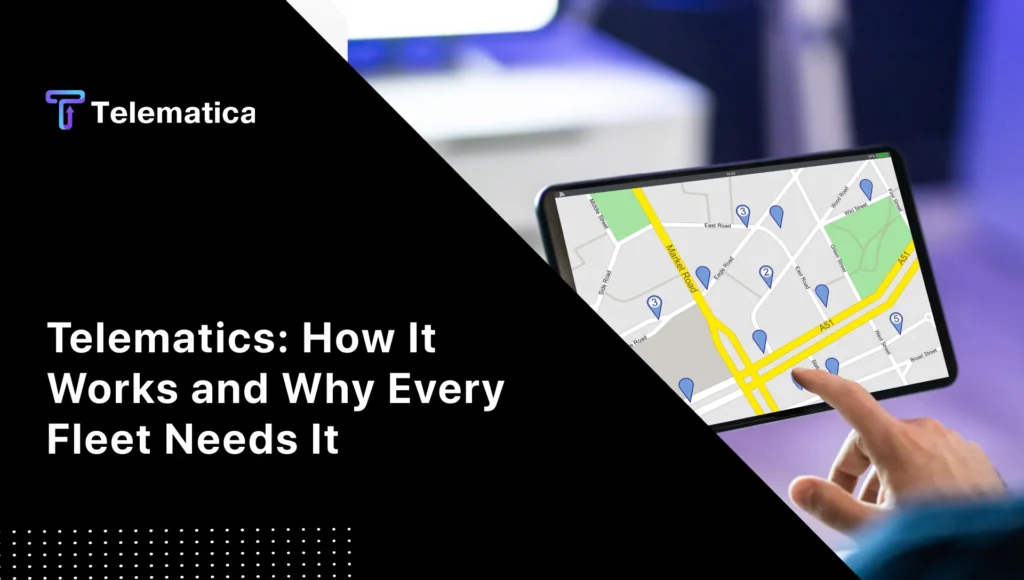
Telematics how does it work tops fleet managers’ search lists because one small device now turns raw movement into profitable decisions. Satellites, sensors and cloud software stream insight in seconds. This guide traces the journey from early radio beacons to predictive dashboards and shows real-world wins across industries. See how each part fits, what benefits land first and why data ownership matters. By the end you will understand why modern fleets treat telematics like fuel.
Introduction to Telematics
Telematics blends telecommunications and informatics so vehicle data reaches offices in real time. GPS satellites supply position, cellular or satellite links move packets and cloud apps present dashboards anyone can read. Once a luxury for line-haul carriers, the tech now equips single-van trades because hardware prices fell and coverage spread. Every ping answers who, where and how fast without a phone call. Guesswork disappears when visibility goes live.
Understanding Telematics
Think of telematics as a heartbeat monitor for every engine you own. A palm-size box records speed, idle time, engine load and exact position, then pushes that stream to secure servers. Dispatchers watch moving dots while finance downloads mileage logs for tax filings. Maintenance gets alerts the moment coolant climbs. One sealed unit ends “I did not know” for good.
The Evolution of Telematics
Early trackers in the 1990s sent short radio bursts and updated only when drivers passed fixed towers. Cheap GPS chips, 2G modems and flash storage lifted refresh rates to minutes, then seconds. Cloud computing later turned billions of pings into heat maps readable in any browser. Machine learning now flags faults days early and over-air updates add features overnight. Autonomous trucks will treat telematics feeds as mission control.
Our Approach at Telematica
Telematica designs telematics for Australian roads, seasons and rules. Solar asset tracker devices protect trailers in paddocks for months without touch. An HD fleet dashcam links video with GPS for rapid review across industries, not only freight. Open APIs plug into payroll or ERP suites in a weekend. Local support teams in Brisbane and Perth answer fast and understand red dirt.
How Telematics Systems Operate
A working stack pairs rugged hardware on wheels, reliable networks in the air and flexible software in the cloud. Devices shrug off dust, heat and corrugations while sipping battery current. Data travels through 4G or low-earth satellites that keep costs steady even in the outback. Servers decrypt and store every line in milliseconds, then refresh live maps on phones and desktops. This loop repeats thousands of times each shift.
Core Components of Telematics
Each setup contains a telematics control unit, sensor suite, SIM or satellite radio, wiring harness and a cloud licence. Units ship pre-configured yet allow deep tweaks for specialty fleets. Power draw stays low so batteries survive long weekends in the yard. Wireless firmware updates avoid shop visits. The pieces work together like engine and gearbox, quiet until needed.
Telematics Control Unit (TCU)
The TCU timestamps data, stores failsafe copies and encrypts packets before they leave the cabin. It reads the CAN bus for RPM, throttle and fuel level while a three-axis accelerometer measures harsh moves. A backup battery keeps the unit alive if thieves cut cables. Housings pass military vibration tests that mimic years on corrugated tracks. Dependability lets managers set once and trust always.
Sensors and GPS Modules
A multiband receiver listens to two constellations to hold five-metre accuracy even near tall buildings. Digital inputs track door opens, trailer temperature and PTO use, while Bluetooth tags on tools ping the main unit every few seconds. Pairing is automatic, so drivers tag assets simply by loading them. Managers later filter reports by asset ID for billing or compliance. Fine-grained data shows exactly what moved, where and for how long.
Communication Networks
Most highways enjoy strong 4G yet pastoral runs still drop to zero bars. Dual-mode modems flip to Iridium when signal fades so maps never go dark. Packets stay tiny, often under one kilobyte, keeping airtime bills predictable. New LTE-M channels cut power draw for solar trackers on trailers and generators. One backbone now suits city couriers and desert drill rigs alike.
Fleet Management Software
Web dashboards refresh every few seconds and display routes, idle time and arrival variance on one page. Alerts reach email, SMS or chat so the right person acts fast. CSV and PDF exports feed payroll and compliance, while open APIs drive deep integrations. A clean interface means dispatchers learn in hours. Tools used daily deliver value daily.
Data Collection and Transmission
Each second the unit records latitude, longitude, speed and sensor values. Firmware compresses and batches the data, then picks the best network path. Servers decrypt, validate and slot every field into time-series tables almost instantly. Map tiles redraw before the driver clears the next traffic light. Seconds count in transport and the system keeps pace.
Benefits of Implementing Telematics in Fleet Management
Turning on telematics reshapes budgets, safety charts and customer reviews in one move. Live numbers expose waste, refine routes and lock in compliance without extra staff. Trucks spend less time idling and more time earning. Accident counts fall as drivers view clear scorecards. Clients see proof of delivery instead of apologies.
Enhanced Operational Efficiency
Route planners choose smarter paths, dodging closures before drivers reach them. Fewer empty kilometres and tighter stop clusters drop fuel spend by eight percent on average. Dispatch stamps each stop, cutting detention disputes. Maintenance receives exact engine hours for sharper shop scheduling. Margins widen because wheels roll with purpose. For details see our dispatch efficiency guide.
Improved Safety and Compliance
Accelerometers catch harsh braking within moments and sound gentle cab reminders. Weekly leaderboards reward smooth operators and spotlight risky habits for coaching. Speed and rest alerts align with the NHVR chain of responsibility, guarding licences and insurance premiums. An HD fleet dashcam pairs each event with video for rapid incident review. Safer roads lift morale and reduce downtime.
Predictive Maintenance
Engine hours, coolant spikes and vibration patterns feed models that warn of faults days early. Workshops order parts ahead so the truck spends hours rather than days sidelined. Planned downtime replaces roadside tows and late deliveries. Asset life stretches because small fixes stop domino failures. Learn more from our AI-driven maintenance insights.
Environmental Impact
Cut idle minutes and reroute around congestion to trim CO₂ output without lifestyle changes. Dashboards translate every saved litre into kilograms of emissions for ESG reports. Electric vans share charge states so dispatchers match range to route confidently. Digital logs replace paper forms, sparing forests and filing rooms. Sustainability aligns with profit when data leads.
Key Features to Look for in a Telematics System
A crowded market means features matter more than glossy brochures. Choose tools that solve current pain and expand later without hardware swaps. Devices must survive Darwin humidity and Tasmanian frost. Support lines should answer within minutes. Data export rights keep future options open.
Real-Time Tracking
Map dots must refresh quickly or dispatchers lose trust. Breadcrumb trails prove exact routes and times for billing. Geofence exit alerts fire instantly, speeding theft response inside the golden hour. Public links calm nervous customers after hours. Certainty beats guessing every kilometre.
Driver Behavior Monitoring
On-board sensors grade acceleration, turning and braking, then roll up scores from A to F each shift. Managers coach low performers with tips that cut fuel and pad wear. Top drivers earn praise in toolbox talks, building healthy rivalry. Immediate cab prompts correct habits before fines land. Culture shifts when data speaks plainly.
Geofencing Capabilities
Draw fences around depots, docks or sensitive zones in seconds. Automatic detention billing starts and stops by entry stamps. Unauthorized weekend trips flag instantly, protecting vehicles from misuse. Oil and gas operators prove trucks stayed on approved haul roads for audits. Digital lines guard assets and reputations.
Integration with Other Systems
APIs push mileage to payroll and arrival times to customer portals without double entry. Our GPS fleet tracking solutions include code samples for quick starts. Low-code connectors link maintenance suites in hours. Seamless data flow keeps teams aligned and admin hours low. Silos vanish when apps talk openly.
Industry Applications of Telematics
Any wheel can create value, though each sector gains different wins. Adaptable sensors and wide networks make one platform fit freight, building or municipal fleets. Managers tailor dashboards while sharing a common data lake. Flexibility drives adoption across industries and sizes.
Logistics and Transportation
Line-haul carriers hit dock times by spotting delays early and reshuffling loads. Last-mile couriers group stops by live density maps that shave kilometres and add parcels per route. Proof-of-delivery photos stamped with coordinates crush loss claims. Real-time ETA links cut call centre traffic. Accurate data keeps shelves stocked and contracts renewed.
Construction and Heavy Equipment
Bulldozers and cranes live far from paved roads yet telematics still shines. Engine hours replace pencil logs so hire invoices match real use. Geofence reports track multi-contract sites where machines roam between lots. Idle alerts trigger swaps before assets rust in corners. Capital budgets tighten and timelines stay honest.
Public Sector and Emergency Services
Ambulances leave sooner because control rooms see every available unit instantly. Garbage trucks prove coverage to residents with breadcrumb trails during missed-bin calls. Snowploughs share live maps that reassure towns during storms. Police fleets log siren use and speed for transparent oversight. Tax dollars stretch further when service fleets stay visible.
Challenges and Considerations
Rollouts face hurdles yet planning keeps bumps small. Budgets, privacy and staff buy-in shape success more than raw tech. Data volume must never swamp lean IT teams. Pick vendors who shoulder training and let you keep ownership. Anticipate friction and sidestep roadblocks.
Data Privacy and Security
Australia’s Privacy Act demands clear policies for worker monitoring. Encryption locks packets in transit and at rest, while role-based portals stop snooping. Regular audits prove controls to staff and regulators. The OAIC privacy guidance outlines best practice. Security protects people and brands together.
Implementation Costs
Units, airtime and software fees can rise quickly without scope control. Bundle discounts on hardware and SIMs trim early bills. Many fleets start with five trucks and prove savings inside two months. Document wins in fuel, overtime and claims to fund expansion. Wise pilots pay their own way.
Employee Acceptance
Drivers trust tools that help rather than punish. Share scorecards that tie safe habits to rewards instead of fines. Show rerouted jobs that cut overtime. Limit after-hours tracking to theft alerts and publish clear use policies. Benefits win allies faster than mandates.
Future Trends in Telematics
Technology advances quickly and prepared fleets stay ahead. Affordable AI, autonomous vehicles and wider networks reset expectations each year. Open standards and smarter sensors deepen insight without hardware swaps. Choosing modular platforms today prevents regret tomorrow.
Integration with AI and Machine Learning
Models already flag failing injectors from tiny vibration changes long before dashboard lights glow. Route engines factor live weather, school zones and charge station queues. Vision analytics in dashcams spot tailgating in real time. AI grades events faster than any human. Smarter chips will sharpen that edge further.
Expansion into Autonomous Vehicles
Self-driving rigs will lean on telematics feeds for oversight, firmware updates and compliance logs. Remote technicians will monitor sensor health and intervene through secure links. Regulators will trust detailed data trails more than claims. Mixed fleets of robot and human drivers will share one dashboard. Preparation now smooths the road later.
Enhanced Connectivity
Low-earth satellites trim latency and cost, pushing broadband across the Nullarbor. Stand-alone 5G slices promise dedicated lanes for mission-critical traffic. Edge computing on the TCU cuts server calls, speeding local decisions. Wider pipes enable rich video and augmented-reality manuals. Data will travel further, faster and cheaper.
Conclusion
Telematics shifted from luxury to baseline because data beats hunches on every ledger line. Real-time insight lifts safety, trims fuel and delights customers without extra headcount. Telematica supplies hardware, software and local support so you can focus on deliveries, not dashboards. Stronger margins and calmer shifts begin with one conversation. Let precise data steer your next mile.
Choosing Telematica: Elevating Your Telematics Game
- Tailored Solutions:
Telematica understands that every business is unique. Our fleet tracking solutions are customizable to meet your operation’s specific needs, ensuring a tailored approach.
- 24/7 Support:
Telematica is not just a provider; we’re a partner. Our dedicated support ensures your fleet tracking system operates seamlessly and assists whenever needed.
- Continuous Improvement Workshops:
Telematica offers workshops and training sessions to ensure businesses can maximize the potential of fleet tracking, providing continuous improvement opportunities.
- Integration with Existing Systems:
Seamless integration with existing business systems ensures a smooth transition to fleet-tracking solutions without disrupting day-to-day operations.
FAQs
What is the easiest way to start with telematics?
Install units on three vehicles, run a thirty-day test and compare fuel and overtime before and after.
How accurate is GPS in dense traffic?
Dual-constellation chips hold five-metre precision in open sky and near ten metres among tall buildings.
Will telematics work beyond cellular coverage?
Yes. Dual-mode units switch to satellite links automatically so data stays live anywhere with a clear sky.
How can I secure driver buy-in?
Tie safe driving scores to rewards, share privacy policies and show real overtime savings.
Are integrations hard for small IT teams?
Open APIs plus low-code connectors let mileage and alerts flow into payroll and maintenance without heavy coding.