

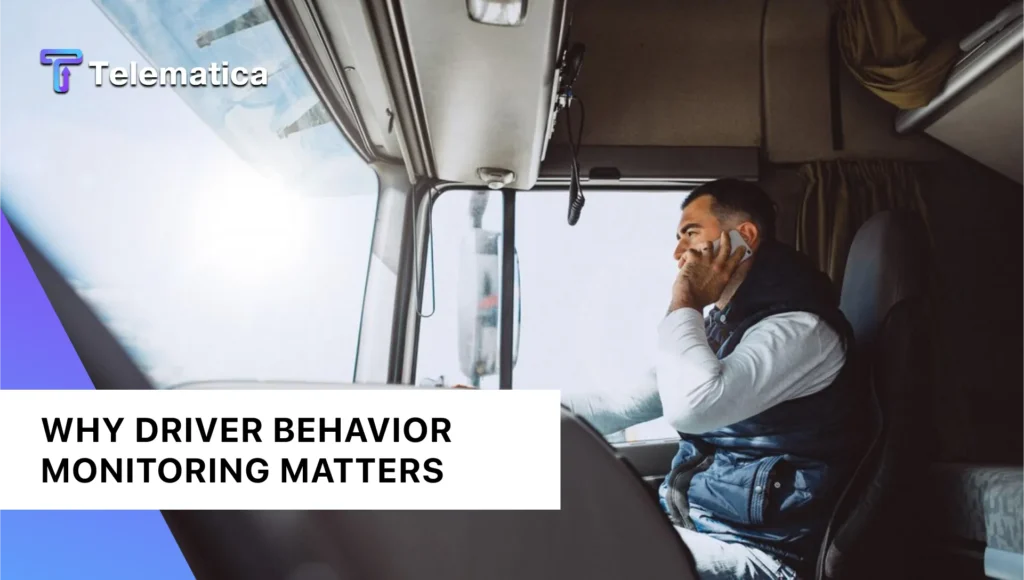
Driver behavior monitoring isn’t just a fancy term; it’s a game-changer for fleet managers and businesses. By tracking how drivers operate vehicles, these systems improve safety, reduce costs, and ensure everyone on the road is a little safer. If you’re managing a fleet, understanding and implementing these systems could be the upgrade your operations need.
What Is Driver Behavior Monitoring?
Driver behavior monitoring uses technology to track, record, and analyze how drivers handle vehicles. It gathers data on speeding, hard braking, rapid acceleration, and even idle time.
How It Works
The system relies on tools like GPS, accelerometers, and onboard diagnostics to monitor driver actions. This data gets processed through software that highlights unsafe patterns or inefficiencies. Managers can use this information to coach drivers and make informed decisions about fleet operations.
Why It’s Important
Unsafe driving isn’t just a risk to life—it’s a financial drain. Accidents lead to repair costs, increased insurance premiums, and potential legal fees. Monitoring helps nip bad habits in the bud, ensuring smoother and safer operations.
Why Your Fleet Needs Driver Monitoring
Whether you operate a delivery fleet or manage long-haul trucking, driver monitoring can transform your operations.
Enhancing Safety
Driver behavior monitoring reduces accidents by identifying risky habits early. This proactive approach creates a safer environment for both drivers and the public.
Cutting Operational Costs
Fuel is one of the biggest expenses for fleets. Monitoring systems track fuel-wasting habits like excessive idling or aggressive acceleration, allowing managers to address inefficiencies.
Boosting Driver Accountability
Knowing they’re being monitored encourages drivers to adhere to safety guidelines. This not only minimizes risks but also fosters a culture of responsibility.
How Monitoring Improves Safety and Cuts Costs
Driver behavior monitoring doesn’t just keep drivers in check; it impacts the bottom line in meaningful ways.
Safer Roads
By flagging behaviors like speeding or distracted driving, monitoring systems help reduce accident rates. Safer driving habits translate to fewer insurance claims and repairs.
Reduced Fuel Expenses
Efficient driving can save thousands of dollars annually. Monitoring systems pinpoint fuel-draining habits like excessive idling and harsh braking, helping you reduce unnecessary expenses.
Lower Maintenance Costs
Aggressive driving isn’t just dangerous—it’s hard on vehicles. Monitoring identifies these behaviors, enabling managers to intervene before wear and tear escalates.
Steps to Start Monitoring Your Drivers
Implementing a driver behavior monitoring system is simpler than you might think.
1. Identify Your Needs
Decide what you want to achieve—better safety, lower fuel costs, or improved driver performance. This clarity helps you choose the right system.
2. Choose the Right Tools
Look for systems that offer GPS tracking, real-time alerts, and easy integration with your fleet management software.
3. Train Your Team
Introduce the system to your drivers. Explain its purpose and how it benefits everyone. Training ensures smoother adoption and reduces resistance.
4. Analyze the Data
Once the system is in place, use its insights to refine operations. Regularly review reports and adjust strategies based on the data.
Why Telematica is Your Partner in Driver Behavior Monitoring
At Telematica, we understand the critical role driver behavior monitoring plays in fleet safety and operational efficiency. With years of experience in fleet management solutions, we’ve developed tools that not only track driver habits but also provide actionable insights to improve performance and cut costs.
How Our Solutions Help
Our driver behavior monitoring systems combine GPS tracking, real-time alerts, and comprehensive reporting to give fleet managers a clear picture of how vehicles are being operated. By identifying risky driving behaviors, such as harsh braking or rapid acceleration, our tools help reduce accidents and extend vehicle life.
But it’s not just about flagging issues—it’s about empowering drivers. Our intuitive platforms provide data that allows fleet managers to coach drivers effectively, promoting safer habits and better performance.
Tailored for Your Fleet
Every fleet is different, and we know one size doesn’t fit all. That’s why our solutions are designed to adapt to your needs, whether you’re managing a few vehicles or an extensive operation. Our team works with you to customize the system, ensuring it addresses your specific challenges.
Future-Ready Technology
With Telematica, you’re not just adopting today’s solutions—you’re preparing for tomorrow. From integrating AI-powered analytics to enabling seamless data sharing, our tools evolve with your business, helping you stay ahead of the curve.
Driver behavior monitoring is more than a tool; it’s a strategy for success. Let us help you create safer roads, happier drivers, and a more efficient fleet. Visit Telematica to learn more about how we can support your business.
Using Data to Help Drivers Perform Better
Monitoring isn’t just about keeping tabs—it’s a tool for growth.
Coaching for Safer Driving
Data from monitoring systems provides actionable insights into each driver’s habits. Use these insights to provide personalized coaching.
Setting Goals and Incentives
Rewarding safe driving habits motivates drivers to perform better. Set clear benchmarks and offer incentives for reaching them.
Building a Safety-First Culture
Consistent monitoring fosters a culture where safety is a priority. This culture shift benefits drivers, managers, and the company’s reputation.
The Future of Driver Monitoring Technology
Technology in this space is evolving rapidly, bringing exciting advancements.
AI-Driven Insights
Artificial intelligence is making monitoring smarter. AI can predict risky behaviors and suggest preventive measures, offering a proactive edge.
Real-Time Monitoring
Future systems will provide even more accurate, real-time data, ensuring immediate responses to unsafe actions.
Integration with Autonomous Vehicles
As self-driving technology grows, driver monitoring will play a crucial role in ensuring the safe coexistence of human and autonomous drivers.
Closing Thoughts
Driver behavior monitoring isn’t just a smart investment—it’s an essential one. From safer roads to reduced costs, the benefits are clear. As technology advances, the tools only get better, making now the perfect time to adopt this transformative solution.
Choosing Telematica: Elevating Your Telematics Game
- Tailored Solutions:
Telematica understands that every business is unique. Our fleet tracking solutions are customizable to meet your operation’s specific needs, ensuring a tailored approach.
- 24/7 Support:
Telematica is not just a provider; we’re a partner. Our dedicated support ensures your fleet tracking system operates seamlessly and assists whenever needed.
- Continuous Improvement Workshops:
Telematica offers workshops and training sessions to ensure businesses can maximize the potential of fleet tracking, providing continuous improvement opportunities.
- Integration with Existing Systems:
Seamless integration with existing business systems ensures a smooth transition to fleet-tracking solutions without disrupting day-to-day operations.
FAQs
1. What is the main purpose of driver behavior monitoring?
The main goal is to improve safety, reduce costs, and enhance operational efficiency by identifying and correcting risky driving habits.
2. Does driver monitoring invade privacy?
Most systems focus on vehicle operation rather than personal data. Clear communication with drivers about how the data will be used can alleviate concerns.
3. Can monitoring systems reduce insurance premiums?
Yes, many insurers offer discounts to fleets using monitoring systems due to their proven safety benefits.
4. How much does a monitoring system cost?
Costs vary based on features and fleet size. However, the long-term savings from reduced accidents and fuel costs often outweigh the initial investment.
5. Are these systems suitable for small fleets?
Absolutely. Small fleets can benefit from improved efficiency and safety just as much as larger ones.