

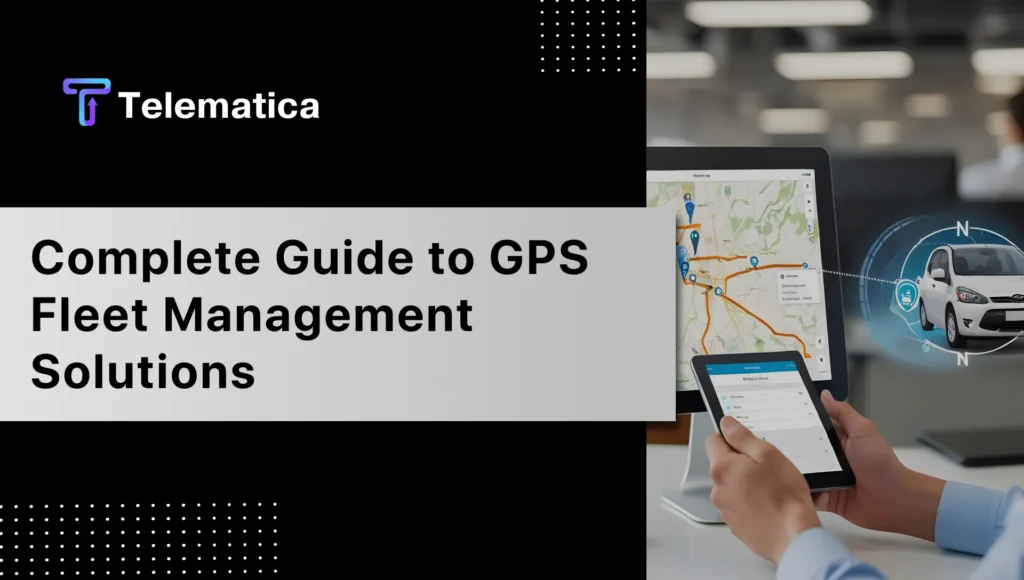
As businesses grow, managing a fleet of vehicles becomes increasingly complex. With operational efficiency, safety, and cost control becoming critical, GPS fleet management solutions offer a streamlined approach to optimizing vehicle usage and maintaining fleet performance. This guide dives deep into GPS fleet tracking, explaining its role, functions, benefits, and how it revolutionizes fleet management for businesses of all sizes.
What is GPS Fleet Tracking?
GPS fleet tracking is a technology-driven solution that uses the Global Positioning System (GPS) to monitor the location, movement, and performance of a fleet of vehicles in real-time. It provides businesses with detailed information about where their vehicles are, how fast they travel, and other performance metrics, such as fuel consumption, idle time, and vehicle health. This system is essential for businesses that rely on a fleet to deliver products or services, allowing them to gain greater visibility and control over their operations.
Fleet tracking systems generally have sensors and onboard diagnostic systems that transmit data to fleet managers through a centralized platform. This level of real-time monitoring empowers businesses to make data-driven decisions, whether rerouting vehicles to avoid traffic, cutting down idle time, or reducing fuel consumption.
How Does It Work?
GPS fleet tracking combines satellite-based positioning technology with data analytics and telematics systems. Here’s a basic breakdown of how it functions:
- GPS Device Installed in Each Vehicle: A GPS device is installed in every vehicle, often connected to the vehicle’s onboard diagnostics (OBD) port to gather detailed performance data.
- Real-Time Data Transmission: The GPS device continuously collects location data, transmitted via cellular networks to a centralized server.
- Telematics Platform: The server processes the information displayed on a user-friendly telematics platform accessible by fleet managers through computers or mobile devices.
- Data Analytics: This platform provides fleet managers with actionable insights, including location tracking, route efficiency, vehicle performance, and driver behavior, helping them manage their fleet effectively.
How Does Telematica’s GPS Fleet Tracking Solutions Work?
Telematica’s GPS fleet tracking solutions offer industry-leading accuracy and affordability, transforming fleet operations across various sectors. With a wide range of customizable features, Telematica provides solutions tailored to fleets of all sizes.
Advanced Fleet Safety and Visibility:
Telematica’s system improves fleet safety by monitoring driver behavior, including speeding, harsh braking, and idling. It provides real-time visibility, helping to prevent accidents, ensure regulatory compliance, and optimize operations.
Cost Efficiency Through Technology:
Telematica helps reduce fuel costs and idle time by analyzing fuel consumption and optimizing routes. Monitoring engine data ensures timely maintenance, minimizing downtime and extending vehicle life.
Driver Behavior Monitoring and Coaching:
Telematica empowers businesses to improve driver performance with driver behavior scores, coaching features, and real-time alerts, promoting safer driving practices. These tools deter risky driving behaviors and improve fleet performance, helping companies avoid accidents and lower insurance premiums.
Comprehensive Fleet Solutions for Various Industries:
Whether in construction, field services, delivery, or public transportation, Telematica supports efficient fleet management by optimizing vehicle usage and improving productivity. Compliance management ensures all safety regulations are met, safeguarding the company from fines or legal issues.
What Does a GPS Fleet Tracking System Do?
At its core, a GPS fleet tracking system provides detailed, real-time information about a company’s fleet. But beyond simple location tracking, the system integrates advanced features that improve operational efficiency and safety.
1. Real-Time Vehicle Monitoring
GPS fleet tracking allows businesses to monitor the exact location of each vehicle at any given time. This not only ensures timely deliveries and pickups but also helps avoid unplanned stops and unauthorized vehicle use.
2. Driver Behavior Monitoring
Tracking systems can measure driver performance metrics, such as speeding, harsh braking, sharp cornering, and excessive idling. Fleet managers can use this data to provide drivers with actionable feedback, promoting safer driving practices and reducing the risk of accidents.
3. Route Optimization
GPS fleet management solutions offer real-time route optimization, which allows drivers to avoid traffic congestion and road hazards, ensuring that vehicles reach their destination faster. This reduces fuel costs, improves delivery times, and maximizes fleet productivity.
4. Fuel Consumption Management
One of the most significant expenses for fleet-based businesses is fuel consumption. GPS tracking systems can monitor factors like idling time, speeding, and inefficient routes that lead to excessive fuel consumption, enabling businesses to take corrective action.
5. Maintenance Scheduling
With constant tracking of vehicle usage and performance, GPS fleet management solutions can notify fleet managers when vehicles require maintenance. Proactive maintenance reduces the risk of unexpected breakdowns, extending the life of each vehicle and reducing long-term repair costs.
6. Geofencing
Geofencing is another powerful tool that GPS fleet tracking systems offer. It allows managers to set predefined geographic boundaries and receive notifications when a vehicle enters or leaves the area. This helps prevent unauthorized trips and ensures vehicles stay within designated operational zones.
What Are the Benefits of GPS Fleet Tracking?
The benefits of GPS fleet tracking go beyond merely knowing the whereabouts of your vehicles. Here are the key advantages that make it a vital tool for modern fleet management:
1. Cost Reduction
GPS fleet tracking systems can lead to substantial cost savings by improving fuel efficiency, reducing unnecessary idling, and optimizing routes. Additionally, the ability to monitor driver behavior means that companies can reduce vehicle wear and tear, lowering maintenance and repair costs.
2. Increased Productivity
Real-time tracking and route optimization ensure that vehicles spend less time in traffic and more time on the road, leading to increased productivity. The system also enables fleet managers to reallocate resources more efficiently, ensuring the right vehicle is dispatched to the right job at the right time.
3. Enhanced Safety
The ability to monitor driver behavior allows businesses to proactively address unsafe driving practices, reducing the risk of accidents. Additionally, GPS systems provide valuable insights into vehicle health, allowing for timely maintenance that prevents potentially dangerous mechanical failures.
4. Improved Customer Satisfaction
With GPS tracking, businesses can provide accurate ETAs to customers and ensure that deliveries or services are completed on time. This enhances customer satisfaction and can give businesses a competitive edge in the marketplace.
5. Regulatory Compliance
GPS fleet tracking systems help businesses maintain regulatory compliance by keeping accurate driving hours, routes taken, and vehicle usage records. This is particularly important for industries that must comply with government regulations regarding hours of service, such as the trucking industry.
What Are the Benefits of Choosing Telematica?
Telematica offers cutting-edge GPS fleet management solutions that go beyond basic tracking. Here are the key reasons Telematica is the premier choice for businesses looking to optimize their fleet management.
1. Comprehensive Fleet Insights
Telematica’s platform provides detailed insights into fleet performance, allowing businesses to monitor everything from vehicle location to driver behavior. This holistic approach helps companies make data-driven decisions to boost efficiency and reduce operational costs.
2. Customizable Solutions
Every business has unique fleet management needs. Telematica offers customizable solutions that can be tailored to the specific requirements of your business, whether you have a small fleet of delivery vehicles or a large, nationwide trucking operation.
3. User-Friendly Interface
Telematica’s telematics platform is designed with the user in mind. Its intuitive interface allows fleet managers to access real-time data quickly and easily, streamlining operations and ensuring that critical decisions can be made on the go.
4. Proactive Maintenance Alerts
Telematica’s system tracks real-time vehicle health and sends proactive maintenance alerts when needed. This reduces unexpected breakdowns and extends the life of your fleet, ultimately saving on long-term repair and replacement costs.
5. Advanced Safety Features
Telematica offers robust driver behavior monitoring and coaching tools. By identifying unsafe driving practices and providing feedback to drivers, businesses can reduce the risk of accidents and ensure the safety of both their employees and the general public.
6. 24/7 Customer Support
Telematica prides itself on offering round-the-clock customer support. Whether you need help setting up your system or troubleshooting an issue, their dedicated team is always available to assist you.
How to Choose the Right GPS Fleet Management Solution
When selecting a GPS fleet management solution, businesses must consider various factors to ensure they get the most value for their investment. Here are the key aspects to look for:
1. Scalability
Your business may start with a small fleet, but what happens when you expand? Look for a GPS fleet tracking system that can grow with your business, offering the flexibility to add more vehicles as needed.
2. Ease of Use
The best GPS fleet management solutions are easy to use. Ensure the platform provides a user-friendly interface, allowing fleet managers and drivers to interact with the system without a steep learning curve.
3. Integration with Existing Systems
It should integrate seamlessly with your existing software and hardware to get the most out of your GPS fleet tracking system. Whether it’s your accounting software or route planning tools, look for a solution that can work within your current operational setup.
4. Customer Support
A great GPS fleet management provider offers reliable customer support to help you troubleshoot issues and get the most out of your system. Check reviews to ensure that your chosen company has a solid reputation for customer service.
5. Cost vs. Value
While cost is always a consideration, looking at the overall value a GPS fleet management solution can provide is important. A system that helps reduce fuel costs, improve productivity, and enhance safety can pay for itself in the long run.
Conclusion
In today’s competitive business environment, having complete visibility over your fleet’s operations is more important than ever. GPS fleet management solutions offer a powerful tool for improving productivity, enhancing safety, and reducing costs. Whether managing a small delivery fleet or a large logistics operation, implementing a GPS fleet management system like Telematica’s can help you stay ahead of the curve.
Take control of your fleet today. Start optimizing your operations with Telematica’s GPS fleet management solutions, and watch your business transform.
Choosing Telematica: Elevating Your Telematics Game
- Tailored Solutions:
Telematica understands that every business is unique. Our fleet tracking solutions are customizable to meet your operation’s specific needs, ensuring a tailored approach.
- 24/7 Support:
Telematica is not just a provider; we’re a partner. Our dedicated support ensures your fleet tracking system operates seamlessly and assists whenever needed.
- Continuous Improvement Workshops:
Telematica offers workshops and training sessions to ensure businesses can maximize the potential of fleet tracking, providing continuous improvement opportunities.
- Integration with Existing Systems:
Seamless integration with existing business systems ensures a smooth transition to fleet-tracking solutions without disrupting day-to-day operations.
FAQs
1. What industries benefit most from GPS fleet tracking?
Industries like logistics, transportation, delivery services, utilities, and construction benefit the most from GPS fleet tracking systems because they require real-time vehicle monitoring and route optimization.
2. Can GPS fleet tracking reduce insurance premiums?
Yes, many insurance companies offer lower premiums to businesses using GPS fleet tracking systems because they reduce the risk of accidents and theft.
3. How does GPS fleet tracking improve driver accountability?
By monitoring driver behavior in real-time, fleet managers can identify issues such as speeding, harsh braking, or unauthorized vehicle use and promote more responsible driving.
4. Is it possible to track fuel consumption with GPS fleet tracking?
Yes, GPS fleet tracking systems can monitor fuel consumption by tracking idle time, speeding, and route efficiency, helping businesses save on fuel costs.
5. How accurate are GPS fleet tracking systems?
Most GPS fleet tracking systems are highly accurate, providing real-time location data within a margin of a few meters.