

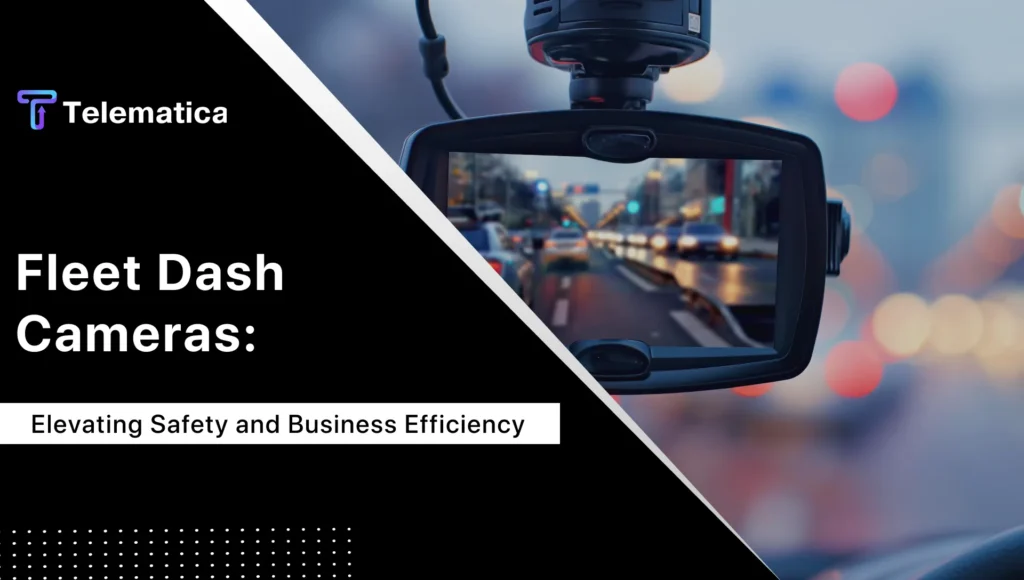
In today’s fast-paced world, managing a fleet of vehicles is a complex challenge. The risks are high, whether it’s delivery trucks, service vehicles, or long-haul rigs. Accidents, theft, and liability claims can take a toll on drivers and businesses. Fleet dash cameras offer a robust solution, providing real-time insights into driver behavior and offering visual evidence in case of an incident. By investing in these tools, businesses can significantly reduce risk while improving overall efficiency.
Now, let’s dive deeper into the essentials—starting with…
What Do Fleet Dash Cameras Do?
Fleet dash cameras are essential in modern fleet management as they improve safety, reduce liability, and offer transparency in day-to-day operations. These small, easily installed devices capture video footage from the driver’s perspective, recording incidents and daily driving activities. Fleet managers use this footage for driver coaching, verifying accident claims, and ensuring compliance with road safety regulations.
But dash cams aren’t just passive recorders. They can act as active monitors, alerting drivers in real-time to potential hazards, unsafe behaviors, or risky conditions. Some even have built-in AI to assess driver attentiveness, track movements like lane changes, and monitor speed limits.
Telematica’s Fleet Dash Cameras: Maximizing Safety and Efficiency
At Telematica, we understand the value of seamless fleet management, which is why our fleet dash camera solutions are designed to enhance safety, accountability, and operational efficiency. Our dash cameras are more than just recorders—they provide real-time insights into driver behavior, offering valuable feedback to improve safety on the road.
With advanced features like AI-driven monitoring and GPS integration, Telematica’s fleet dash cameras help businesses like yours reduce risks and protect assets. These tools empower fleet managers with the data they need to improve decision-making and streamline operations.
Our solutions also include cloud-based storage for instant access to footage and analytics, providing businesses with reliable video evidence during investigations and insurance claims. Whether you’re looking to cut costs, reduce accidents, or gain greater visibility into daily operations, Telematica’s fleet dash cameras offer the precision and performance you need.
Incorporating fleet dash cameras into your fleet management strategy is a proactive step toward safer, smarter, and more cost-effective operations. Contact Telematica today to learn how we can help your business achieve greater efficiency and protection.
Why Video for Fleet Safety?
The road is unpredictable, and accountability is vital when managing multiple vehicles. Fleet dash cameras provide unbiased visual evidence, helping resolve disputes and prevent fraudulent claims. Video footage can be irrefutable evidence in accident investigations, protecting drivers and businesses from false accusations.
Additionally, the footage allows fleet managers to track driver behavior. Are your drivers staying within speed limits? Are they making risky maneuvers? With video evidence, companies can implement personalized training programs to reduce dangerous driving habits.
For fleet safety, video technology provides more than accountability. It offers peace of mind by ensuring the truth is documented and can easily be retrieved whenever necessary. Real-time video monitoring can also help managers make quick decisions if a driver encounters a problem on the road.
Protect Your Business with Fleet Camera Systems
Accidents, fraud, and unsafe driving behavior are costly. Fleet camera systems help you avoid these risks by monitoring and documenting what’s happening in real-time. Suppose a vehicle in your fleet is involved in an incident. In that case, the camera footage gives an immediate and clear account of events, reducing time spent on claims and limiting exposure to costly litigation.
Insurance providers often offer premium reductions for businesses that install fleet cameras, as they lower the risk of accidents and fraud. For a business, this means safer drivers and lower operational costs in the long run. Additionally, fleet dash cameras are becoming more advanced, allowing you to integrate GPS and telematics data to gain a fuller picture of each journey.
Improve Safety with Dash Cams for Trucks and Fleets
Dash cameras have a profound effect on driver safety. By promoting transparency, they encourage better driving habits. Knowing that their actions are being recorded, drivers tend to be more cautious, helping to reduce speeding, reckless driving, and other risky behaviors.
Moreover, dash cams equipped with advanced features can assist drivers in real time. Lane departure warnings, collision alerts, and distracted driving alerts help truck drivers stay aware of their surroundings and avoid potential hazards. These tools can be handy for long-haul truck drivers, who spend extended periods on the road and are at higher risk of fatigue.
Dash cam footage can enhance driver coaching, turning recorded events into teachable moments. For fleets focused on long-term safety improvements, pairing dash cameras with consistent driver training can significantly reduce accidents and improve fleet performance.
How Do Fleet Dash Cams Work?
Fleet dash cameras record video footage, typically from two perspectives: outward-facing, capturing the road ahead, and inward-facing, capturing the driver’s actions. These cameras store footage on an internal or external memory device or transmit it to the cloud for remote access. Advanced systems can include GPS data and telematics, providing a detailed overview of the vehicle’s journey, speed, and location.
Some fleet dash cameras have built-in AI to analyze footage in real-time. This AI can detect distracted driving, drowsiness, and tailgating behaviors. When unsafe actions are detected, the system can alert the driver instantly, providing a valuable second pair of eyes on the road.
When an incident occurs, fleet managers or insurance companies can review the footage to establish a clear timeline of events. This real-time access to data helps businesses respond faster to incidents, reducing downtime and minimizing the impact on operations.
Types of Fleet Dash Cams
Fleet dash cams come in different configurations to suit various operational needs:
- Single-lens cameras only capture footage of the road ahead, which is sufficient for accident claims but limited in driver behavior analysis.
- Dual-lens cameras capture both the road and the driver, allowing fleet managers to monitor driver behavior.
- Multi-lens systems provide 360-degree coverage, often including side and rear views. These are beneficial for large vehicles like trucks that need comprehensive coverage.
In Conclusion
Fleet dash cameras are more than just a tool—they’re a game-changer for fleet management. They improve safety, reduce liability, and provide clear accountability, helping protect drivers and businesses. With advancements in AI and real-time monitoring, investing in fleet dash cameras can lead to fewer accidents, safer roads, and lower operational costs.
Integrating dash cameras into your fleet management strategy can enhance your fleet’s safety and improve overall efficiency. It’s a smart move that delivers lasting results.
Choosing Telematica: Elevating Your Telematics Game
- Tailored Solutions:
Telematica understands that every business is unique. Our fleet tracking solutions are customizable to meet your operation’s specific needs, ensuring a tailored approach.
- 24/7 Support:
Telematica is not just a provider; we’re a partner. Our dedicated support ensures your fleet tracking system operates seamlessly and assists whenever needed.
- Continuous Improvement Workshops:
Telematica offers workshops and training sessions to ensure businesses can maximize the potential of fleet tracking, providing continuous improvement opportunities.
- Integration with Existing Systems:
Seamless integration with existing business systems ensures a smooth transition to fleet-tracking solutions without disrupting day-to-day operations.
FAQs
1. Do fleet dash cameras record audio?
Some dash cameras include audio recording, allowing you to capture conversations inside the vehicle. However, legal restrictions may apply depending on your region, so check local laws before using audio features.
2. How long do fleet dash cameras store footage?
The time footage is stored depends on the system’s storage capacity and settings. Some cameras record on a loop, overwriting older footage, while others upload data to the cloud, where it can be stored indefinitely.
3. Can fleet dash cameras be used to track vehicles?
Many fleet dash cameras integrate GPS and telematics data, allowing businesses to track vehicle locations, speed, and routes. This enhances fleet management and operational efficiency.
4. How much do fleet dash camera systems cost?
The cost of fleet dash cameras can vary widely depending on features, camera quality, and fleet size. Basic systems can start as low as $100 per camera, while more advanced systems with AI and real-time monitoring can range into hundreds or thousands of dollars.
5. Are fleet dash cameras legal in all states?
While dash cameras are legal in most places, specific rules about placement and recording (especially audio) can vary by state. It’s essential to research your state’s laws to ensure compliance.