

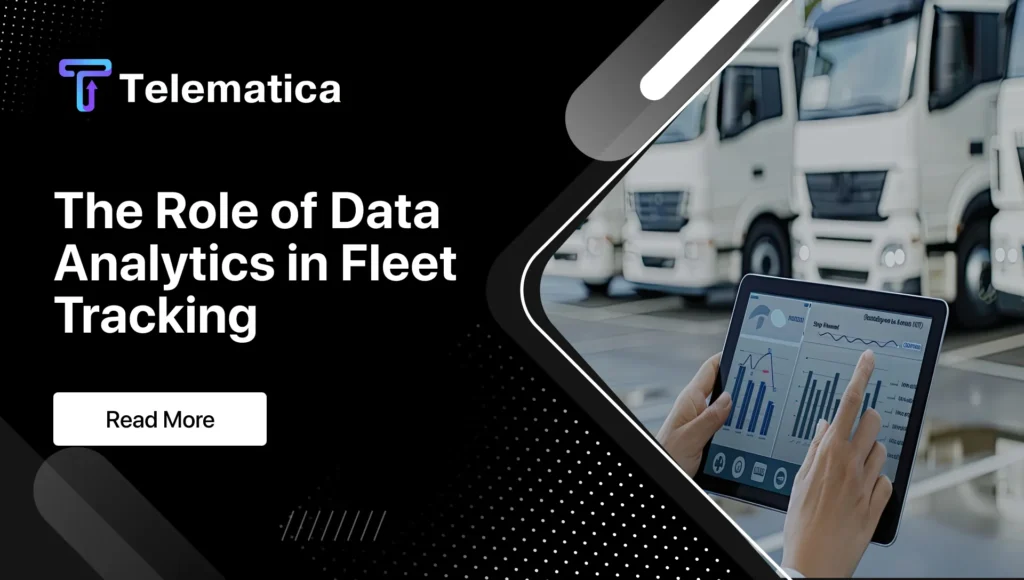
Data analytics has rapidly become an essential part of modern fleet management. It takes the guessing out of decision-making, providing fleet managers with real-time insights, predictive analysis, and optimization strategies that drive efficiency. From tracking vehicle performance to forecasting maintenance needs, data analytics can transform fleet operations.
What is Fleet Management?
Fleet management refers to the administration and oversight of a company’s fleet of vehicles. Whether you’re managing trucks for a delivery company, service vehicles for a utility provider, or transportation for a logistics firm, fleet management encompasses everything from vehicle acquisition and maintenance to fuel consumption, route planning, and driver behavior monitoring.
Fleet management aims to reduce operational costs, improve efficiency, ensure regulatory compliance, and enhance overall fleet performance. As fleet vehicles grow, managing them manually becomes increasingly complex. That’s where data analytics comes into play.
How Telematica Uses Data Analytics to Elevate Fleet Tracking
At Telematica, we understand that fleet tracking is more than just monitoring vehicle locations—it’s about using data to drive smarter decisions. Our advanced telematics systems provide real-time insights into fleet operations, helping fleet managers make informed choices that save time reduce costs, and enhance safety.
Through our innovative approach, we deliver comprehensive data solutions that offer fleet managers actionable insights into vehicle performance, driver behavior, and route optimization. Our predictive analytics capabilities also help you anticipate maintenance needs, minimizing downtime and maximizing fleet uptime.
With Telematica’s fleet tracking solutions, you can rely on data-backed decisions to ensure your operations run smoothly, efficiently, and cost-effectively. We believe that leveraging data analytics is the future of fleet management, and our systems are designed to help you stay ahead in an increasingly competitive market. From fuel efficiency to driver safety, we empower fleet managers with the tools to optimize operations and create a safer, more efficient fleet.
Ready to improve your fleet’s performance? Discover how Telematica’s data-driven solutions can transform how you manage your vehicles and drivers.
Data Analytics in Fleet Management
Data analytics involves collecting, processing, and analyzing vast amounts of data to discover patterns, correlations, and actionable insights. In fleet management, data analytics helps managers make informed decisions based on accurate, real-time data.
Key Areas Where Data Analytics Plays a Role:
- Real-Time Fleet Tracking
GPS technology enables managers to track the exact location of each vehicle at any given moment. Combining this data with other inputs like traffic reports and driver schedules provides a comprehensive picture of the fleet’s operational efficiency. - Fuel Efficiency Monitoring
Data analytics can track fuel usage and identify inefficient driving habits, such as excessive idling, speeding, and sudden acceleration, leading to higher fuel consumption. Analytics can also help reduce fuel costs by identifying areas where fuel-saving practices can be implemented. - Driver Behavior Monitoring
Fleet managers can use data analytics to assess drivers’ behavior on the road. Sensors and telematics systems collect data on speeding, harsh braking, and acceleration. This information allows managers to provide feedback and coaching to drivers, ultimately reducing risks and improving safety. - Route Optimization
Data analytics can find the most efficient routes for deliveries or services, reducing travel time and fuel consumption. This helps save money and ensures that the fleet operates in the most eco-friendly way possible. - Predictive Maintenance
By analyzing historical data, fleet managers can predict when vehicles will likely require maintenance. This prevents costly breakdowns by ensuring that maintenance is performed before problems arise. Predictive analytics also helps extend vehicle lifespans and improves fleet uptime.
Benefits of Data Analytics in Fleet Management
Incorporating data analytics into fleet management is a game-changer. It allows companies to shift from reactive to proactive management, saving time and money.
Improved Operational Efficiency
Data-driven decision-making optimizes fleet performance. Fleet managers can make swift, informed decisions that improve operational efficiency by monitoring real-time metrics such as vehicle location, fuel usage, and driver behavior. Automated alerts based on predefined triggers can inform managers of potential issues, enabling them to act quickly.
Reduced Maintenance Costs
Predictive maintenance reduces the likelihood of unexpected breakdowns. Analytics can forecast when a vehicle is due for service based on mileage, usage patterns, and other factors. This approach extends vehicle lifespans and ensures the fleet remains operational without costly interruptions.
Enhanced Safety and Compliance
Data analytics provides insights into driver behavior, enabling fleet managers to identify risky driving practices and implement corrective measures. Monitoring speeding, harsh braking, and other safety concerns ensures compliance with safety regulations and promotes a culture of responsible driving.
Fuel Savings
With data analytics, fleet managers can monitor fuel consumption patterns and identify areas for implementing fuel-saving practices. Route optimization, efficient driving habits, and proper vehicle maintenance contribute to significant fuel savings over time.
Environmental Impact
Fleet managers can decrease their environmental footprint by optimizing routes, reducing fuel consumption, and minimizing vehicle wear and tear. Data analytics allows for smarter, more sustainable fleet operations that align with green initiatives.
How Predictive Analytics Can Impact Fleet Operations
Predictive analytics uses historical data to forecast future outcomes. It can be particularly useful in fleet management in several areas.
Vehicle Maintenance and Repairs
Predictive analytics can use historical data on vehicle performance and repairs to determine when a vehicle is likely to require maintenance. This allows for scheduled maintenance before a breakdown occurs, saving money and reducing downtime.
Accident Prevention
Predictive analytics can identify risky driver behaviors likely to result in accidents. By addressing these behaviors through training and coaching, fleet managers can reduce accident rates and improve overall safety.
Load Optimization
Predictive analytics can help determine the optimal load distribution for vehicles, minimizing wear and tear while maximizing efficiency. It can also suggest optimal vehicle types and configurations based on the transported goods.
Traffic and Weather Predictions
With real-time traffic conditions and weather data, predictive analytics can suggest alternate routes, helping drivers avoid delays. This not only improves delivery times but also reduces fuel consumption and vehicle wear.
In Conclusion
Data analytics is no longer a luxury for fleet managers—it’s necessary. The ability to track vehicles in real time, monitor driver behavior, optimize routes, and predict maintenance needs allows companies to operate more efficiently, reduce costs, and improve safety. Incorporating data analytics into your fleet management strategy can give your business the competitive edge it needs in today’s fast-paced market.
Want to see how data analytics can improve your fleet’s performance? Assess your current data capabilities and explore solutions that fit your operational needs. The time to leverage data is now—don’t get left behind in the race for efficiency.
Choosing Telematica: Elevating Your Telematics Game
- Tailored Solutions:
Telematica understands that every business is unique. Our fleet tracking solutions are customizable to meet your operation’s specific needs, ensuring a tailored approach.
- 24/7 Support:
Telematica is not just a provider; we’re a partner. Our dedicated support ensures your fleet tracking system operates seamlessly and assists whenever needed.
- Continuous Improvement Workshops:
Telematica offers workshops and training sessions to ensure businesses can maximize the potential of fleet tracking, providing continuous improvement opportunities.
- Integration with Existing Systems:
Seamless integration with existing business systems ensures a smooth transition to fleet-tracking solutions without disrupting day-to-day operations.
FAQs
1. How does data analytics improve fleet management?
Data analytics provides real-time insights into fleet operations, allowing managers to make data-driven decisions. This includes tracking vehicle locations, monitoring fuel usage, assessing driver behavior, predicting maintenance needs, improving operational efficiency, and reducing costs.
2. What is the role of predictive analytics in fleet management?
Predictive analytics uses historical data to forecast future events, such as vehicle maintenance needs or risky driver behavior. This allows fleet managers to address potential issues before they arise, reducing downtime and improving safety.
3. How can data analytics reduce fuel consumption in fleets?
Data analytics can identify opportunities to reduce fuel consumption by analyzing driving habits, route efficiency, and vehicle performance. For example, it can suggest more fuel-efficient routes or highlight inefficient driving practices like speeding or idling.
4. What technologies are used in data analytics for fleet management?
Technologies like GPS tracking, telematics systems, and onboard sensors are commonly used in fleet management to collect data. This data is then processed using advanced analytics software to provide actionable insights.
5. How does data analytics help in driver safety?
Data analytics can track and analyze driver behaviors such as speeding, harsh braking, and sudden acceleration. By identifying risky behaviors, fleet managers can offer training and feedback, improving driver safety and reducing the risk of accidents.