

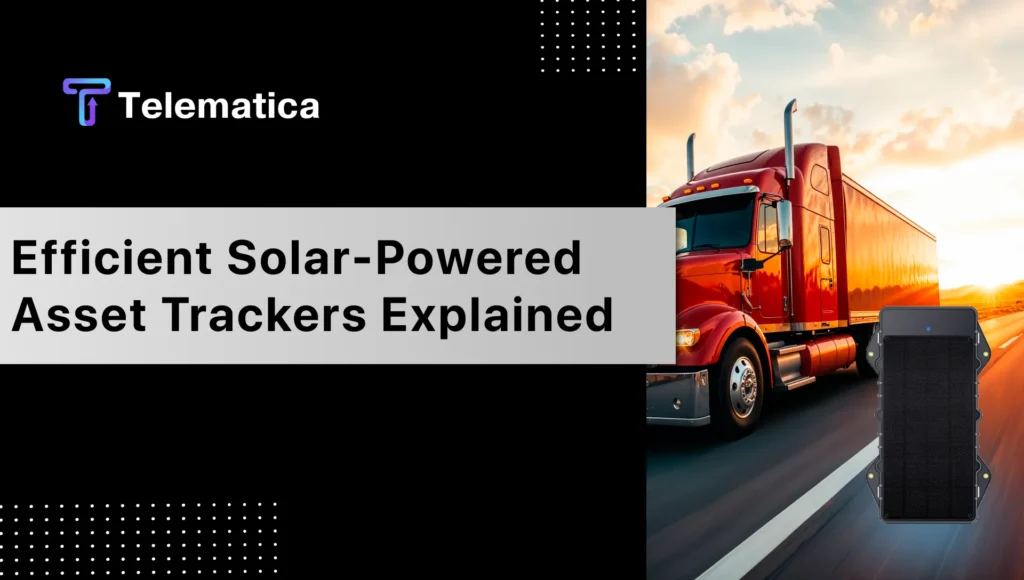
Solar-powered asset trackers offer a sustainable and efficient solution for monitoring assets remotely. This article explores how they work, their benefits, and the key features that make them indispensable for modern businesses.
Why Choose Solar-Powered Asset Trackers Over Traditional Trackers?
Solar-powered trackers are a reliable choice for businesses looking for sustainable solutions. Here’s why they outperform traditional, battery-dependent options.
Eco-Friendly and Sustainable
Solar-powered asset trackers use renewable energy, significantly reducing the environmental impact associated with traditional battery-powered devices. These trackers eliminate the need for frequent battery replacements, decreasing waste and conserving resources. Businesses utilizing these systems can align their operations with sustainability goals, reducing their carbon footprint. In addition, solar technology provides a continuous energy source, making these trackers ideal for long-term applications. By choosing solar, companies can demonstrate their commitment to green technology, appealing to environmentally conscious customers and stakeholders.
Longer Operational Life
A major advantage of solar-powered trackers is their ability to function continuously with minimal intervention. Traditional trackers often rely on replaceable batteries, which require frequent maintenance and contribute to operational downtime when batteries deplete. Solar-powered models, however, are designed to recharge throughout the day, ensuring that their batteries remain topped up. This self-sustaining energy model results in longer device lifespans and reduces the frequency of battery replacements, saving businesses time and resources. The ability to operate autonomously for extended periods also makes them highly reliable, particularly in remote areas where access for maintenance might be challenging.
Cost-Effective in the Long Run
Although the initial cost of a solar-powered asset tracker may be higher than its traditional counterparts, the long-term savings are substantial. Traditional trackers often incur additional expenses from battery replacements and maintenance, which add up over time. In contrast, solar-powered versions have low operational costs since they harness free, renewable energy from the sun. This eliminates the need for regular battery replacements, reducing overall maintenance expenses. Furthermore, the reliability of solar-powered systems minimizes downtime, ensuring assets remain monitored and reducing potential losses from theft or damage. Over several years, these savings can easily offset the higher upfront investment.
Why Telematica’s Solar-Powered Asset Trackers Stand Out
At Telematica, we believe in harnessing the power of technology to provide innovative, sustainable solutions for our clients. Our solar-powered asset trackers are designed to offer efficient, reliable, and eco-friendly monitoring capabilities, ensuring your assets remain visible and secure no matter where they are located.
Our trackers use high-efficiency solar panels that continuously charge the device, even in low-light conditions. This ensures a consistent energy supply and significantly reduces the need for manual intervention. Unlike traditional battery-dependent systems, our solar-powered trackers eliminate the hassle of frequent maintenance and battery replacements, saving you time and reducing costs in the long run.
What sets Telematica’s solutions apart is the integration of advanced GPS and communication systems that provide real-time updates on asset location, status, and environmental conditions. Whether your assets are moving across rural landscapes, urban areas, or international routes, our trackers are equipped with cellular and satellite connectivity options to keep you informed at every step. This flexibility ensures you can maintain visibility and control over your operations, regardless of location.
Additionally, our trackers are built with durability in mind. We understand that assets are often exposed to harsh conditions, so our devices feature ruggedized casings designed to withstand extreme temperatures, dust, and moisture. IP67 ratings protect them against the elements, providing consistent performance and reliability in even the toughest environments.
Choosing Telematica means opting for a sustainable, cost-effective tracking solution that aligns with your business needs. By leveraging our solar-powered technology, you optimize your operations and contribute to a greener future. Our solutions are built to support your business growth while maintaining a commitment to environmental responsibility.
Explore how our solar-powered asset trackers can enhance your business operations and reduce your carbon footprint. At Telematica, we’re dedicated to providing the tools you need to manage your assets efficiently and sustainably.
Let us help you transform the way you track and manage your assets. Contact us today to learn more about our cutting-edge solutions.
Industries That Benefit from Solar-Powered Trackers
These devices serve various industries, providing them with unparalleled tracking efficiency. Here are the main sectors leveraging solar technology for asset management.
Agriculture and Farming
In agriculture, monitoring livestock and equipment across vast fields is crucial. Solar-powered asset trackers provide farmers with real-time insights into the location of animals and machinery, helping them optimize field operations and prevent theft. Beyond location tracking, these devices can also monitor environmental conditions, such as soil moisture levels and temperature, providing valuable data for precision farming. This allows farmers to make informed decisions, improving crop yield and resource management. Since farms are often located in remote areas with limited access to electricity, solar power provides a sustainable and practical solution for maintaining operational efficiency.
Logistics and Transportation
The logistics industry benefits immensely from solar-powered asset trackers, especially when managing fleets and cargo in remote locations. By using these trackers, companies can monitor vehicles, including trucks and trailers, ensuring they stay on the correct routes and arrive on time. Temperature-sensitive goods like perishable food and pharmaceuticals also benefit from these systems, as they can be monitored for real-time temperature fluctuations. If a temperature breach occurs, alerts can be sent immediately, allowing logistics managers to take corrective action and prevent spoilage. The reliability of solar power ensures these systems remain functional even when vehicles are traveling through areas with no network coverage, enhancing overall supply chain management.
Construction and Heavy Equipment
Construction sites are filled with valuable machinery and equipment that require monitoring to prevent theft and ensure efficient usage. Solar-powered asset trackers provide a robust solution for construction companies by offering real-time location tracking of heavy equipment, even in rugged or remote environments. The trackers can be attached to vehicles like bulldozers, cranes, and excavators, providing managers with insights into equipment usage patterns, idle times, and location. This helps optimize operations and improve productivity. Additionally, since construction projects often span large areas with limited access to electricity, solar-powered trackers are a practical solution for maintaining continuous monitoring and security without relying on external power sources.
Factors to Consider When Selecting a Solar-Powered Tracker
With various options available, picking the right tracker can be challenging. Here’s what to look for when making a decision.
Battery Capacity and Efficiency
The battery is the heart of any solar-powered tracker, ensuring the device continues functioning during low sunlight or nighttime conditions. When choosing a tracker, selecting one with a high-capacity battery that can store ample energy is essential. This ensures the device remains operational even on cloudy days or in limited sunlight. An efficient battery management system is also critical; it regulates power usage, optimizes energy consumption, and extends battery life. Advanced models use lithium-ion or lithium-polymer batteries known for their longevity and quick charging capabilities, making them ideal for businesses requiring uninterrupted monitoring.
Data Connectivity Options
Solar-powered trackers offer connectivity options from 4G LTE to satellite communication. Choosing the right option depends on the specific needs of the business. For instance, companies operating in urban or suburban areas might prefer cellular-based systems due to their lower costs and faster data transfer speeds. However, businesses that require global coverage or operate in remote regions with weak cellular signals may opt for satellite-based systems, which provide wider coverage but at a higher cost. It’s important to evaluate these factors and choose a tracker with the most reliable connectivity based on the operational environment.
Durability and Weather Resistance
Solar-powered trackers are often exposed to harsh weather conditions, so selecting a durable model is crucial. Trackers with an IP (Ingress Protection) rating ensure resistance to dust, water, and other environmental elements. For outdoor use, look for devices rated IP67 or higher, indicating they can withstand rain exposure and are protected against dust ingress. Additionally, some trackers are built with ruggedized casings designed to endure extreme temperatures, impacts, and other challenging conditions. Investing in a weather-resistant tracker guarantees reliable performance in diverse environments, extending the life of the device and ensuring uninterrupted operation.
Optimizing Your Solar-Powered Tracker Setup
Proper installation and setup are key to getting the most out of your asset tracker. Follow these tips for optimal performance.
Choose the Right Location for Solar Panels
Placing the tracker in an optimal location is essential for maximizing solar energy capture. Install trackers in areas that receive consistent, direct sunlight throughout the day to ensure continuous charging. Avoid locations with shade from trees, buildings, or other obstacles that could block sunlight and reduce efficiency. For vehicles or mobile assets, positioning the solar panels on elevated surfaces like the roof can enhance exposure to sunlight. It’s also important to correctly angle the panel to match the region’s sun path, maximizing energy absorption.
Regular Maintenance and Inspection
Maintaining the solar panels and the entire tracking system is necessary for optimal performance. Periodically cleaning the panels ensures no dust, debris, or snow obstructing sunlight. Regular inspections of the battery’s health, wiring, and other components also help identify potential issues before they become serious problems. Implementing a proactive maintenance schedule extends the lifespan of the tracker and enhances reliability. Businesses should keep a maintenance log and use remote diagnostics (if available) to monitor the system’s health, ensuring the tracker remains in peak operating condition.
Conclusion
Solar-powered asset trackers represent a technological leap forward, combining sustainability with efficiency. Whether managing logistics, farming operations, or construction equipment, these trackers offer a reliable, cost-effective solution. Embrace solar technology today and transform how you manage your assets—start by choosing a solar-powered tracker that meets your needs.
Choosing Telematica: Elevating Your Telematics Game
- Tailored Solutions:
Telematica understands that every business is unique. Our fleet tracking solutions are customizable to meet your operation’s specific needs, ensuring a tailored approach.
- 24/7 Support:
Telematica is not just a provider; we’re a partner. Our dedicated support ensures your fleet tracking system operates seamlessly and assists whenever needed.
- Continuous Improvement Workshops:
Telematica offers workshops and training sessions to ensure businesses can maximize the potential of fleet tracking, providing continuous improvement opportunities.
- Integration with Existing Systems:
Seamless integration with existing business systems ensures a smooth transition to fleet-tracking solutions without disrupting day-to-day operations.
FAQs
1. How long do solar-powered asset trackers last?
Typically, these trackers can last 5-10 years, depending on their build quality and maintenance. High-quality batteries and rugged construction materials extend their operational life.
2. Are solar-powered trackers reliable in low sunlight conditions?
Yes, they often have backup batteries that store energy for use at night or on cloudy days. Efficient power management systems help ensure continuous operation.
3. What is the range of solar-powered asset trackers?
This depends on the communication module—some use cellular networks, while others rely on satellites for global coverage. Choose one that matches your operational requirements.
4. Can I track multiple assets with one system?
Yes, most tracking platforms allow businesses to manage multiple devices under a single dashboard, offering streamlined monitoring and control.
5. How much do solar-powered asset trackers cost?
Prices vary, typically from $200 to $1,000 per unit, depending on features, connectivity options, and build quality. Investing in the right tracker ensures long-term value.